
Loading search results…
Loading products…
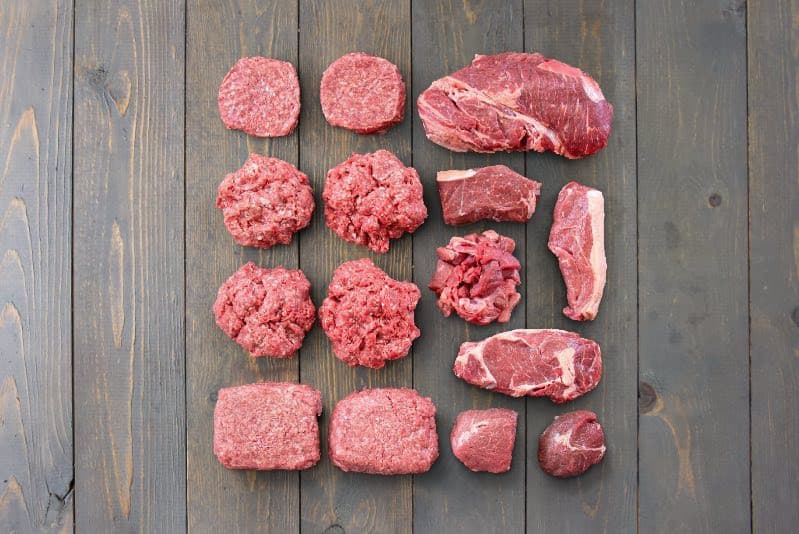
Getting started · August 2026
Hanging weight is the number on your beef quote. It's not what ends up in your freezer. Here's live vs hanging vs take-home weight — with a real quarter-cow example so the math clicks.
This is the sentence that makes people mad.
A farmer says your quarter cow is 180 pounds. You show up at the locker. The boxes weigh… 110.
Nobody scammed you. You just got billed on hanging weight. That's a different number than the meat you take home.
If you don't know the three weights, you will compare the wrong price to Costco. You'll think farms are more expensive than they are. And you'll pass on a deal that actually saves you a lot of money.
Here's the breakdown.
The animal on the hoof. Most shares come off a steer in the 1,200–1,400 lb range. You don't buy this number. Nobody quotes it. It just sets the floor for everything else.
The carcass after slaughter — head, hide, hooves, and guts are gone. This is what most farms quote and what processing fees sit on. When a farm says “180 lb quarter,” they mean hanging weight.
Freezer weight after cut, trim, and pack. A quarter plan on 100–125 lb of actual meat in your freezer. That's what Field & Cattle's own breakdown shows. Hanging is always bigger than take-home. Always.
This is why a quote can say 180 and the freezer says 115.
| Step | Whole animal | Your quarter | Notes |
|---|---|---|---|
| Live weight | 1,200 lb | — | Animal on the hoof |
| Hanging weight | ~720 lb | ~180 lb | ~60% of live; this is the quoted number |
| Take-home (boxed) | ~430–500 lb | ~110–125 lb | ~60–70% of hanging; what's in your freezer |
A bigger 1,400 lb steer scales the same percentages. More live weight means more hanging, means more take-home. The ratios hold.
Our starter share is about 50 lb, 100% grass-fed, $749 all-in with shipping. Fixed cut mix. No locker math. No surprises at pickup.
Buy the eighth cow share →It's the fairest split of the carcass. Before the butcher touches anything, the hanging weight is a fixed number. Take-home changes based on how you fill out your cut sheet — bone-in ribeyes weigh more than boneless; keeping the bones in the roasts adds pounds; how much goes to grind vs whole cuts shifts the total.
Using hanging weight removes all of that from the pricing equation. The farm doesn't need to know what you ordered. The processor doesn't either. One number, agreed up front.
The rest of the payment follows actual hanging weight at slaughter. That's why the final bill can shift slightly from your estimate — the steer is a living animal, not a fixed weight.
Grass-fed cattle can dress slightly lighter than conventional. The 60% figure is a solid midpoint for planning.
Boneless cuts look like fewer pounds. They're just denser. You're paying for edible meat, not bone.
Nothing about this is mysterious — it's just anatomy and butchering. Every farm has the same physics. The question is only whether you knew going in.
Here's where people mess up the comparison.
Grocery ribeye runs $12–$18/lb of edible steak. That's a take-home price — you're paying for what you eat.
A farm's hanging weight price is not that. After shrink and bone, the real freezer price is higher per pound of edible meat than the hanging quote implies. But here's the thing: it's still way cheaper than grocery.
The right comparison
$800–$1,200 all-in for 100–125 lb take-home = $6–$10/lb of meat you actually eat. Compare that to grocery store prices. Not the hanging quote to the Costco tag.
When you compare correctly, the farm wins — across every cut from ground to ribeye to tenderloin.
Any farm quote has four things to check. Ask these:
Those four questions turn any farm quote from confusing to actionable in under a minute.
The Freezer Report is a $4.99 ranked shortlist of quarter, half, and whole cow options near you. One page. No rabbit holes.
Get the Freezer Report →Want to go deeper? How much meat is in a quarter cow breaks down the cut-by-cut yield. And our beef share pricing guide shows exactly what drives the all-in cost.
$6.99/month unlocks the full catalog of farm beef products near you — every quarter, half, and whole cow available in your area.